Understanding Metal Roofing: Overview and Benefits
As homeowners seek durable and energy-efficient roofing solutions, Metal Roof Installers have become increasingly significant in the construction and renovation industry. Metal roofing systems are renowned for their longevity, low maintenance needs, and superior protection against the elements. This article explores the essential role of metal roof installers, the benefits of metal roofing, and potential misconceptions that homeowners might have. By understanding these facets, homeowners can make informed decisions about their roofing needs.
What Makes Metal Roof Installers Essential?
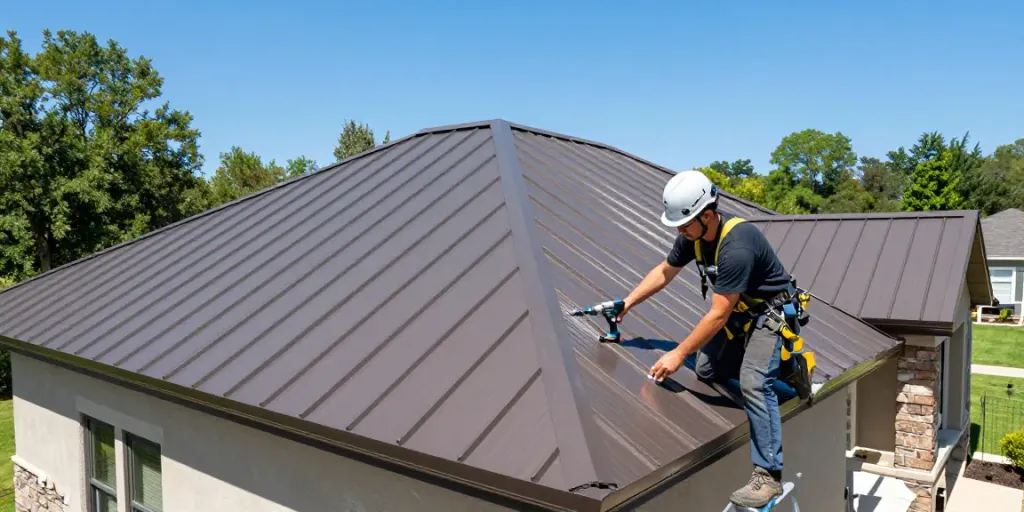
Metal roof installers are skilled professionals who specialize in the installation of metal roofing systems. Their expertise is critical for several reasons:
- Precision in Installation: Metal roofs require precise measurements and installation techniques. Expert installers ensure that each panel is fitted correctly, which prevents leaks and maximizes the lifespan of the roof.
- Understanding of Materials: Knowledge of different metal types, finishes, and coatings is essential. Metal roof installers can recommend the best options suited for climate, aesthetic preferences, and budget.
- Compliance with Codes and Standards: Certified installers ensure that all installations comply with local building codes and safety standards, providing peace of mind for homeowners.
Benefits of Choosing Metal Roofing for Your Home
Metal roofing has numerous advantages that make it a preferred choice among homeowners:
- Longevity: Metal roofs can last 40-70 years, significantly more than traditional asphalt shingles.
- Energy Efficiency: Metal reflects solar radiant heat, which can reduce cooling costs significantly during hot weather.
- Environmental Impact: Many metal roofs are made from recycled materials and are 100% recyclable at the end of their life cycle.
- Fire Resistance: Metal roofs have a high resistance to fire, which can lower homeowners' insurance premiums.
Common Misconceptions about Metal Roofs
Despite the many benefits, several myths about metal roofs persist:
- Metal Roofs are Noisy: The perception that metal roofs are noisy during rain or hail is often exaggerated. Proper insulation and underlayment can significantly reduce noise levels.
- Only for Commercial Buildings: Many believe metal roofing is only suitable for commercial structures, but it is increasingly popular in residential applications due to its aesthetic appeal and variety of styles.
- Prone to Rust: Modern metal roofs come with protective coatings that prevent rust and corrosion, making them suitable for various climates.
Choosing the Right Metal Roof Installer
When investing in a metal roofing system, selecting the right installer is essential to ensure quality and longevity. Here are critical factors to consider:
Factors to Consider When Hiring Installers
- Experience and Expertise: Look for installers with a solid track record and specialized experience in metal roofing.
- Licensing and Insurance: Ensure that your installer is properly licensed and carries liability insurance to protect against potential damages.
- Portfolio of Past Work: Reviewing previous projects can give insights into their style and quality of work.
- Warranty Offerings: A reputable installer will provide warranties on both materials and workmanship, reflecting their confidence in the quality of their services.
Questions to Ask Your Metal Roof Installer
To evaluate the capabilities of potential installers, consider asking the following questions:
- What types of metal roofing materials do you recommend for my home and why?
- Can you provide references from previous clients?
- What is your timeline for completion?
- How do you handle unexpected issues during installation?
Red Flags to Look for in Roofing Contractors
When selecting a metal roof installer, be cautious of the following red flags:
- Lack of Transparency: If an installer is unclear about pricing, timelines, or materials, consider looking elsewhere.
- No Written Contract: Always insist on a written contract detailing the scope of work, materials, and payment terms.
- Poor Reviews: Check online reviews and ratings. Consistently negative feedback is a significant warning sign.
The Metal Roof Installation Process
The installation process for a metal roof is systematic and requires careful planning and execution. The following steps outline the typical approach:
Step-by-Step Guide to Metal Roofing Installation
- Initial Assessment: A professional will inspect the existing roof and determine if repairs or replacements are necessary.
- Material Selection: Homeowners choose the type, color, and style of metal for their roof.
- Preparation: This includes removing the old roofing material, if applicable, and repairing any damage to the roof deck.
- Installation: Installers will then lay down underlayment followed by metal panels, securing them with appropriate fasteners.
- Finishing Touches: Installations finalize with flashing, trim, and other necessary components to ensure a complete system.
Tools and Equipment Used by Metal Roof Installers
Professional metal roof installers utilize a variety of tools to ensure a smooth and efficient installation process, including:
- High-quality safety equipment (harnesses, helmets, etc.)
- Metal shears and snips for cutting panels
- Drills and fasteners for securing materials
- Measuring tools for accurate dimensions
Understanding Installation Timelines and Expectations
The timeline for metal roof installation varies based on different factors, including:
- Roof Size: Larger roofs take longer to install due to increased material handling and complexity.
- Weather Conditions: Adverse weather can delay installation times, requiring flexibility in scheduling.
- Installer Availability: The expertise and schedule of the chosen contractors can also impact how quickly the project can commence and conclude.
Cost Considerations for Metal Roofing
Cost is a significant factor for many homeowners considering a new roof. Understanding the financial aspects can help with budget planning.
Average Costs: What to Expect When Hiring Installers
The average cost of installing a metal roof can range from $120 to $900 per square, depending on various factors, including the type of metal, roof complexity, and region. Homeowners should get multiple quotes to ensure competitive pricing.
Cost-Benefit Analysis: Are Metal Roofs Worth the Investment?
While the initial investment for metal roofing may be higher than traditional roofing materials, the long-term benefits often outweigh the costs:
- Longevity: With a lifespan of up to 70 years, metal roofs do not require frequent replacements.
- Energy Savings: Reflective metal roofs can decrease HVAC costs, providing savings that add up over time.
- Low Maintenance: Metal roofs require minimal maintenance, reducing ongoing costs compared to other materials.
Financing Options for Metal Roof Installation Projects
Many homeowners may find financing options helpful when installing a metal roofing system. Some manufacturers and installers offer payment plans or financing through third-party lenders. It's advisable to inquire about available options during consultations.
Future Trends in Metal Roofing
The roofing industry is continually evolving, and several future trends are emerging for metal roofing:
What to Expect from Metal Roof Installers in 2026
As technology advances, metal roof installers are expected to adopt innovative techniques and materials that enhance efficiency and performance. This includes the use of drones for assessments and advanced software for managing projects.
Innovative Metal Roofing Materials on the Horizon
Future materials may include eco-friendly options that enhance thermal efficiency and withstand extreme weather conditions. Homeowners may see options like solar-integrated panels that combine roofing with renewable energy technologies.
Sustainability Factors: Metal Roofing and Environmental Impact
With an increasing focus on sustainability, metal roofing is positioned to lead in eco-friendly building practices. The use of recycled materials and the potential for wide recyclability at the end of a roof's life are significant advantages in the quest for greener living.
What is the average cost of a metal roof installation?
The average costs can range widely based on materials and complexity, often between $120 to $900 per square.
How do I choose a qualified metal roof installer?
Assess their experience, obtain multiple quotes, and check references to find a qualified installer.
Are there warranties for metal roofing installations?
Most metal roofing manufacturers offer warranties that vary from 20 years to a lifetime, depending on the product.
What should I know about metal roof maintenance?
While metal roofs require less maintenance than traditional roofs, periodic inspections and cleaning are recommended to ensure longevity.
How long does a metal roof last compared to other roofing types?
Metal roofs can last between 40 to 70 years, significantly outlasting materials like asphalt shingles, which typically last 15-30 years.