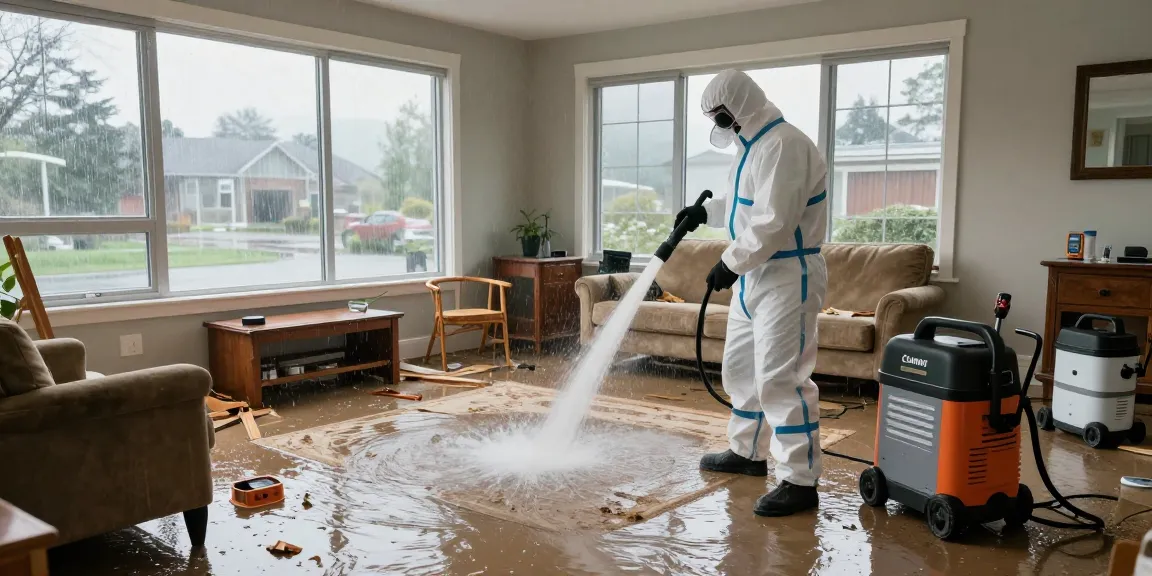
Understanding Water Damage Restoration West Vancouver
Water damage can be a devastating occurrence for any property owner, particularly in regions like West Vancouver where heavy rain, aging infrastructure, and coastal humidity create unique challenges. Water Damage Restoration West Vancouver is not just a service; it is an essential aspect of property maintenance and recovery. From residential homes to commercial establishments, understanding the significance of swift and effective water damage restoration can save countless dollars and preserve the structural integrity of properties.
What is Water Damage Restoration?
Water damage restoration is a systematic process that involves the cleaning, drying, and repair of property affected by water intrusion. This could arise from various sources, including burst pipes, appliance leaks, or natural disasters like floods. The goal is to return the property to its pre-damage condition while ensuring safety and preventing further complications such as mold growth.
Importance of Timely Response in West Vancouver
In West Vancouver, where weather patterns can shift rapidly, timely response to water damage is crucial. Delays in addressing water damage can lead to extensive structural damage and the formation of mold, which poses significant health risks. Studies have shown that materials can begin to deteriorate within just 24 hours of exposure to water; therefore, immediate action can minimize loss and costly repairs.
Types of Water Damage: Residential vs. Commercial
Water damage can occur in both residential and commercial settings, but the implications may differ significantly. Residential properties may experience damage through simple leaks and flooding from rain, whereas commercial properties may face more complex issues due to larger infrastructures and higher foot traffic. The restoration processes for these two sectors often vary, requiring tailored strategies to manage the specific nuances of each type of property.
Identifying Causes and Early Signs of Water Damage
Recognizing the signs of water damage early can be the key to preventing extensive repair costs. West Vancouver homeowners and business owners should be vigilant in identifying potential causes and symptoms.
Common Water Damage Triggers in Vancouver Homes
- Burst Pipes: Old and deteriorated pipes can burst, especially during cold weather.
- Appliance Failures: Dishwashers and washing machines can leak if not maintained properly.
- Heavy Rainfall: Prolonged rainfall can overwhelm drainage systems and lead to flooding.
- Roof Leaks: Aging roofs may develop leaks, allowing water to seep into living spaces.
How to Spot Early Signs of Water Damage?
Homeowners should look out for signs such as unexplained mold growth, damp spots on walls or ceilings, peeling paint, and a musty odor, which often indicates hidden moisture. Regular inspections can help in identifying these issues before they escalate.
The Role of Weather in Water Damage Incidents
West Vancouver’s unique climate, characterized by significant rainfall and humidity, plays a substantial role in the frequency and severity of water damage incidents. Understanding seasonal weather patterns can help property owners anticipate potential issues and allow for proactive measures.
The Step-by-Step Water Damage Restoration Process
When water damage occurs, a structured restoration process is crucial in ensuring effective recovery. Here’s a breakdown of the typical step-by-step approach.
Initial Assessment and Damage Evaluation
The restoration process begins with a thorough inspection of the affected area. Experts assess the extent of the damage and identify the source of the water intrusion. This preliminary evaluation is critical for creating an effective restoration plan.
Water Extraction Techniques Employed
Using high-powered pumps and industrial-grade vacuums, restoration professionals swiftly remove the bulk of standing water. This step is essential to prevent further damage and reduce drying time. The use of advanced extraction methods ensures that even hard-to-reach areas are addressed.
Drying and Dehumidification Strategies
Upon extracting water, the next phase involves drying and dehumidification. Technicians deploy specialized equipment such as dehumidifiers and air movers to eliminate any lingering moisture. Continuous monitoring of moisture levels is performed to guarantee that all affected materials reach their normal moisture content.
Choosing the Right Water Damage Restoration Professional
Selecting a reputable water damage restoration company can significantly impact the recovery process. It is vital to consider certain factors when making this choice.
Essential Certifications: IICRC and Beyond
Professionals in the water damage restoration industry should have specific certifications, such as those from the Institute of Inspection, Cleaning and Restoration Certification (IICRC). These certifications demonstrate a commitment to industry standards and ongoing education, ensuring that technicians are up to date with the latest restoration techniques.
Evaluating Restoration Companies in West Vancouver
When selecting a restoration company, homeowners should look for experience, customer reviews, and transparency in pricing. A trustworthy company will provide clear explanations of the restoration process and offer no-obligation estimates.
Understanding Service Costs and Insurance Claims
Understanding the costs associated with water damage restoration can alleviate anxiety during a stressful time. Many restoration companies assist with the insurance claims process, guiding property owners through the often-complicated steps to ensure they receive appropriate coverage for the damages incurred.
Future Trends in Water Damage Restoration for 2026 and Beyond
The water damage restoration industry is evolving, and staying informed about future trends can provide valuable insights for property owners.
Innovative Technologies in Water Damage Cleanup
Emerging technologies, such as moisture detection sensors and advanced drying equipment, are improving the efficiency and effectiveness of restoration efforts. These innovations not only expedite the restoration process but also enhance the accuracy of damage assessments.
Proactive Maintenance Strategies for Property Owners
With the increasing complexity of buildings and their systems, proactive maintenance is becoming essential. Regular inspections and maintenance can significantly reduce the risk of water damage and promote the longevity of property. This includes clearing gutters, maintaining roofing, and regularly checking plumbing systems.
Environmental Considerations in Restoration Practices
As environmental awareness grows, restoration companies are adopting more eco-friendly practices. This includes the use of green cleaning products and techniques that minimize waste and reduce energy consumption during the restoration process.
What are the benefits of professional water damage restoration?
Engaging professional services for water damage restoration ensures that the process is handled efficiently and effectively, mitigating further damage and health risks associated with mold growth.
How quickly should I address signs of water damage?
It is critical to address water damage signs within 24 hours to prevent extensive damage and complications. The sooner action is taken, the less costly the repairs will be.
What equipment is used in water damage restoration?
Professional restoration utilizes a range of specialized equipment, including moisture meters, dehumidifiers, air movers, and thermal imaging cameras to assess and address water damage efficiently.
Do insurance policies cover water damage restoration?
Many homeowners’ insurance policies cover water damage; however, the extent of this coverage can vary. It is advisable to check your specific policy details and consult with your insurance provider for clarity on coverage options.
How can I prevent water damage in my home?
Preventative measures include regular maintenance of roofs, plumbing inspections, and the installation of sump pumps and drainage systems to divert excess water away from the foundation. Additionally, ensuring proper sealing of windows and doors can significantly reduce risks.